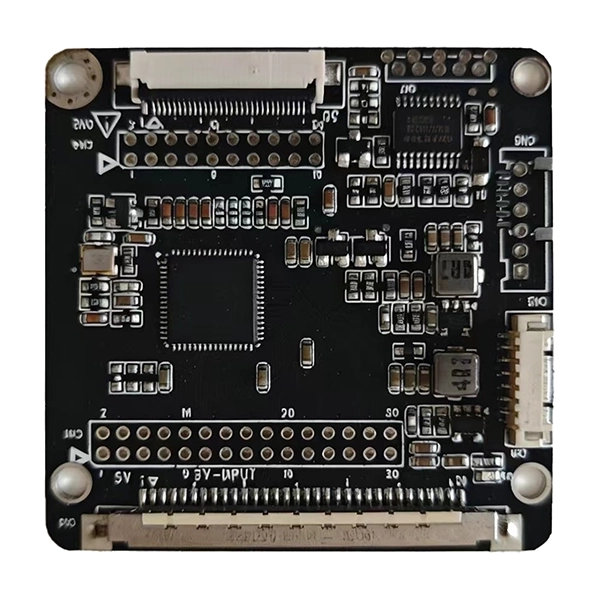
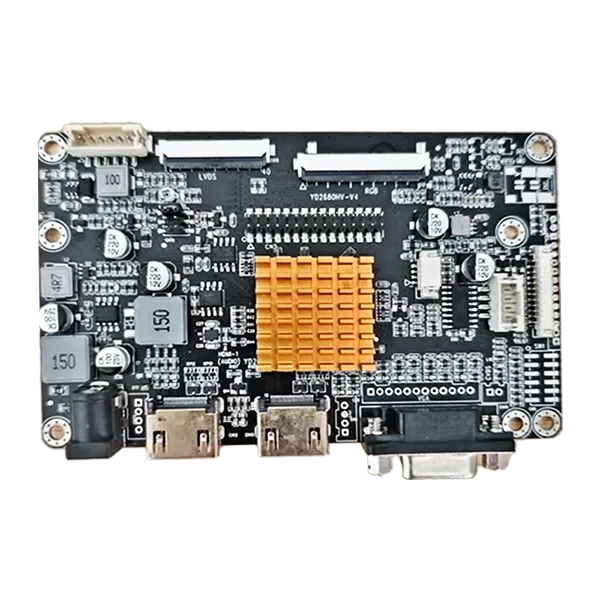
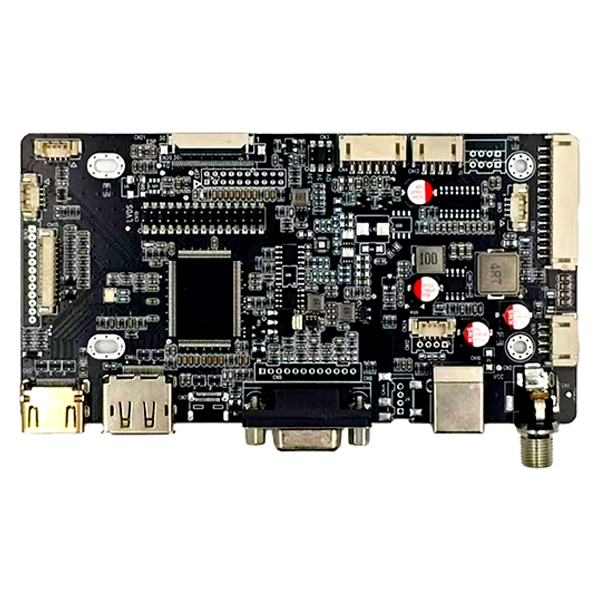
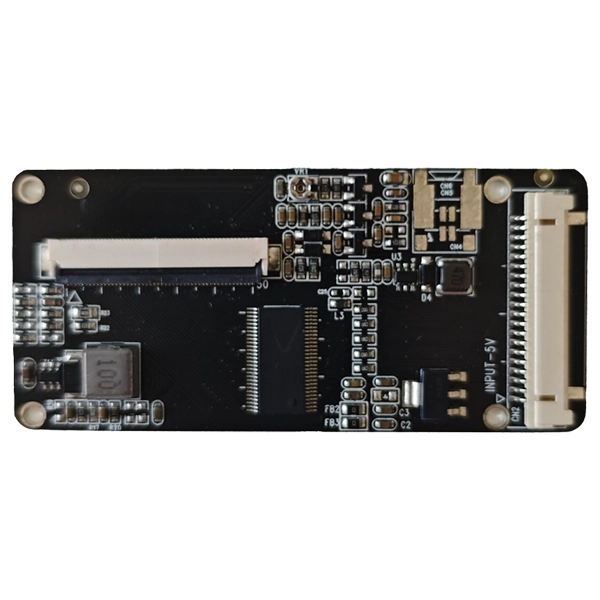
In modern industrial display systems, reliable signal transmission is essential for achieving consistent image quality and long-term equipment stability. SKY-TDM provides an advanced LVDS to TTL Signal Conversion Board designed to convert LVDS differential signals into TTL/RGB parallel signals for compatible TFT LCD panels. With industrial-grade components, optimized PCB routing, integrated LED backlight driving, and flexible customization options, this conversion solution helps manufacturers simplify display integration, reduce development costs, and extend the service life of existing equipment.
An LVDS to TTL Signal Conversion Board bridges the communication gap between LVDS-based display controllers and TTL/RGB-compatible TFT LCD panels. It enables engineers to integrate different display technologies without replacing an otherwise suitable LCD module or redesigning an entire electronic system. This article explains its working principles, technical specifications, key features, industrial applications, and selection considerations. It also explores how SKY-TDM supports OEM and ODM customers with customized interfaces, connectors, cables, and display configurations.
1. What Is an LVDS to TTL Signal Conversion Board?
2. How Does the Signal Conversion Process Work?
3. What Are the Key Features of a High-Quality Conversion Board?
4. What Are the Typical Technical Specifications?
5. Understanding the LVDS and TTL Interface Configuration
6. Where Are LVDS to TTL Conversion Boards Used?
7. How to Select the Right Conversion Board?
8. Why Choose SKY-TDM for Display Interface Solutions?
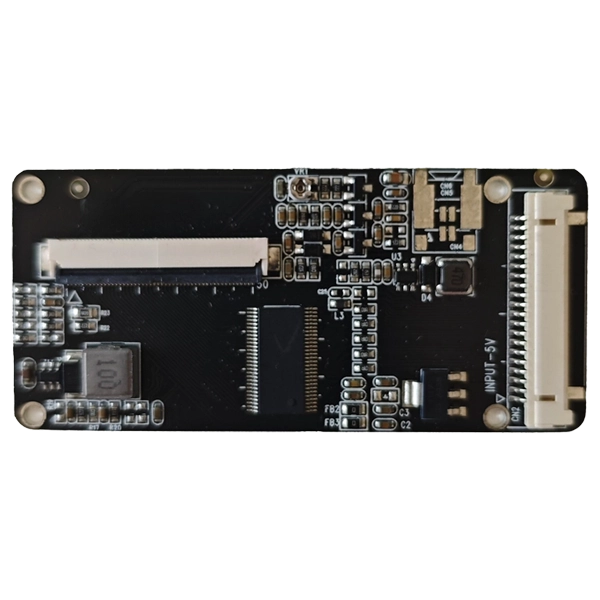
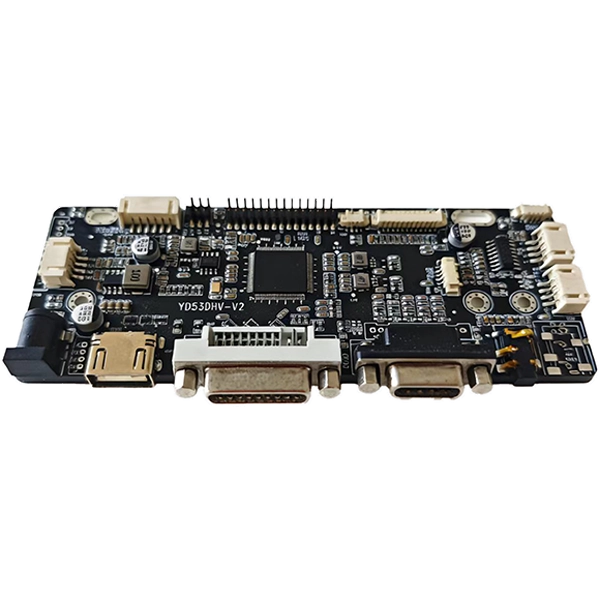
An LVDS to TTL Signal Conversion Board is an electronic interface module that translates Low-Voltage Differential Signaling (LVDS) into Transistor-Transistor Logic (TTL) or parallel RGB signals. Its primary function is to allow an LCD panel with a TTL/RGB input interface to receive display information from a controller or embedded computer that provides an LVDS output.
LVDS is widely used in industrial computers and display systems because its differential transmission architecture supports high-speed data communication with relatively low electromagnetic interference. TTL/RGB, on the other hand, uses parallel data signals to transmit red, green, and blue image information, together with synchronization and clock signals.
These two interfaces have different electrical characteristics and signal structures. Therefore, directly connecting an LVDS source to a TTL-compatible LCD panel is generally not possible without an appropriate conversion circuit.
A dedicated conversion board provides an effective solution by handling the necessary signal translation and supporting the electrical requirements of the target display.
For industrial manufacturers, this technology offers several practical advantages:
The conversion process begins when an LVDS-compatible controller sends differential image data to the board. The conversion circuitry receives and processes the incoming signals before generating corresponding parallel RGB data and synchronization signals for the LCD panel.
The resulting TTL/RGB signals include the color information required to reproduce images, as well as timing signals that coordinate the display refresh process.
A typical signal conversion workflow involves the following stages:
In addition to signal conversion, a well-designed board may integrate power management, VCOM adjustment, and LED backlight driving functions. These features reduce the number of separate electronic modules required for display integration.
For industrial display equipment, conversion accuracy is only one part of product performance. Electrical stability, electromagnetic compatibility, thermal management, and long-term reliability are equally important.
Optimized differential signal routing helps minimize signal distortion and maintain signal integrity. This is particularly important for industrial displays that require consistent image output during continuous operation.
Electromagnetic compatibility is a major consideration in industrial environments containing motors, switching power supplies, and other electronic equipment. An optimized PCB layout and low-noise power architecture help reduce unwanted electromagnetic interference.
The integrated LED backlight driver provides a more convenient display power solution. It helps maintain consistent illumination while reducing the need for additional external circuitry.
VCOM adjustment allows engineers to fine-tune the common voltage according to the requirements of the selected LCD panel. Proper adjustment can help improve display characteristics and achieve more suitable image performance.
Industrial-grade electronic components and carefully designed PCB structures support stable operation across demanding operating conditions. A compact board design also makes installation easier in space-constrained embedded equipment.
Different LCD panels may have different pin definitions, resolutions, timing parameters, and connector requirements. Custom hardware and cable configurations help ensure that the conversion board matches the target display rather than relying on a universal pinout assumption.
Understanding the electrical and mechanical specifications is essential when evaluating an LVDS to TTL Signal Conversion Board. The following table summarizes the standard configuration offered by SKY-TDM.
| Technical Item | Typical Specification |
|---|---|
| Input Interface | LVDS (8-bit) |
| LCD Output Interface | TTL/RGB 50-pin |
| Input Voltage | 5V |
| Backlight Driver | Integrated LED Driver |
| VCOM Adjustment | Supported |
| Operating Temperature | -20°C to +70°C |
| LVDS Connector | HRS DF14-20 / DF19-20 interface |
| Customization | Supported |
These specifications provide a useful starting point for engineering evaluation. However, compatibility should always be verified against the exact LCD panel datasheet, particularly when checking input voltage, signal timing, pin assignments, and backlight requirements.
For additional display controller options, explore SKY-TDM's industrial LCD driver board solutions.
Connector compatibility is one of the most important factors in display integration. Even when two components use the same number of pins, their electrical definitions and signal assignments may differ.
The standard TTL/RGB output uses a 50-pin FFC interface. Its signal assignments include:
| Pin | Signal | Pin | Signal |
|---|---|---|---|
| 1-4 | LED+ / LED- | 5-8 | GND / VCOM / DVDD / MODE |
| 9-11 | DE / VS / HS | 12-19 | B7-B0 |
| 20-27 | G7-G0 | 28-35 | R7-R0 |
| 36-38 | GND / DCLK / GND | 39-40 | L/R / U/D |
| 41-44 | VGH / VGL / AVDD / RESET | 45-50 | NC / VCOM / DITHB / GND / NC / NC |
The LVDS input uses a 20-pin connector configuration. Its principal signals include:
Engineers should verify the exact connector orientation, cable wiring, and pin definitions before connecting the board to the LCD panel or controller. Incorrect connections can cause malfunction or permanent hardware damage.
LVDS to TTL conversion technology is particularly useful in equipment that combines modern embedded controllers with existing or specialized TTL-compatible LCD panels.
Industrial human-machine interfaces require stable image output for monitoring equipment status, production parameters, and operating instructions. Conversion boards help integrate compatible LCD panels into control terminals and industrial operator interfaces.
Medical devices often require dependable display performance for presenting equipment information and visual operating interfaces. A properly matched industrial conversion board can simplify the integration of compatible LCD modules.
Transportation terminals and specialized onboard equipment may use customized display modules. Signal conversion helps connect different generations of electronic controllers and display hardware.
Many existing embedded products continue to use TTL-based LCD panels even when their computing platforms are upgraded to LVDS outputs. A conversion board provides a practical way to preserve existing display hardware and reduce replacement costs.
Industrial instruments, lottery machines, and customized commercial terminals may require specific LCD sizes and interface configurations. Customized conversion solutions make it easier to integrate these displays into application-specific products.
Selecting an appropriate conversion board requires more than checking whether the input and output connectors look compatible. Engineers should evaluate the complete electrical and timing requirements of the display system.
Before purchasing, consider the following factors:
A practical engineering evaluation should also include image testing, startup verification, backlight adjustment, and continuous-operation testing before mass production.
Choosing a display conversion board manufacturer with engineering customization capabilities can significantly reduce integration risks. SKY-TDM focuses on industrial display products and interface solutions, providing support for OEM and ODM projects with different LCD requirements.
Its LVDS to TTL Signal Conversion Board is designed to address common challenges in industrial display integration through:
For manufacturers developing industrial monitors, embedded terminals, and customized display equipment, working with an experienced supplier can help shorten development cycles and simplify the entire sourcing process.
Learn more about SKY-TDM's LVDS to TTL Signal Conversion Board and its available customization options.
A: Its main purpose is to convert LVDS differential display signals into TTL/RGB parallel signals, allowing an LVDS-output controller to communicate with a compatible TTL-interface TFT LCD panel.
A: The standard configuration is designed for compatible 50-pin TTL/RGB LCD panels. However, compatibility depends on the panel's actual pin definitions, electrical requirements, resolution, and timing parameters. Engineers should provide the LCD model number for verification.
A: The standard configuration uses a 5V input supply. Additional power requirements for the LCD and backlight should be checked against the specific panel configuration.
A: Yes. Customized hardware and firmware configurations can be developed according to different LCD resolutions and timing requirements. The target panel datasheet should be provided for engineering evaluation.
A: Yes. SKY-TDM supports customization of connector types, pin assignments, cable lengths, and interface definitions. Matching LVDS cables, power cables, and backlight cables can also be provided.
A: The standard product specification indicates an operating temperature range of -20°C to +70°C, making it suitable for various industrial display applications.
A: A properly matched conversion board helps maintain accurate signal transmission and stable image output. Its adjustable VCOM circuit also allows engineers to fine-tune the display configuration. Actual image performance depends on the LCD panel, signal timing, and overall system design.
A: The standard version supports single-channel 8-bit LVDS input. Dual-channel LVDS requirements can be evaluated for customized hardware development based on the target panel's specifications.
A: Sample evaluation is encouraged before mass production. Testing the board with the actual LCD panel and controller helps verify electrical compatibility, display timing, and backlight performance.
A: Buyers should ideally provide the LCD model number, panel datasheet, LVDS input configuration, TTL output pin definition, resolution, power requirements, connector details, and estimated order quantity. This information allows the engineering team to evaluate compatibility and recommend an appropriate solution.
An LVDS to TTL Signal Conversion Board is an effective solution for connecting modern LVDS-based controllers with compatible TTL/RGB TFT LCD panels. By combining reliable signal conversion, optimized EMC performance, integrated backlight driving, adjustable VCOM, and flexible customization, it helps industrial manufacturers simplify display integration while reducing unnecessary hardware replacement and development costs.
Whether you are upgrading legacy equipment, developing an industrial HMI, or building a customized embedded display system, SKY-TDM can help evaluate your LCD interface requirements and provide a suitable conversion solution. Explore our LVDS to TTL Signal Conversion Board to learn more. If you are looking for a reliable industrial display interface supplier, contact us today with your LCD specifications, technical requirements, and project details. Our engineering team is ready to help you find the right solution for your application.