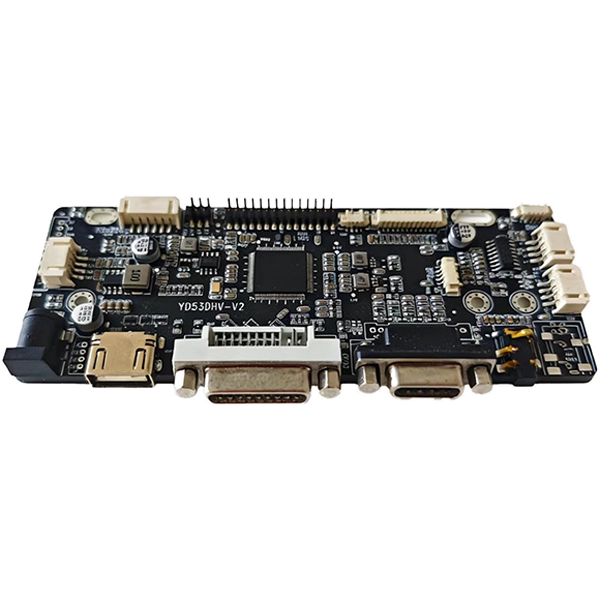
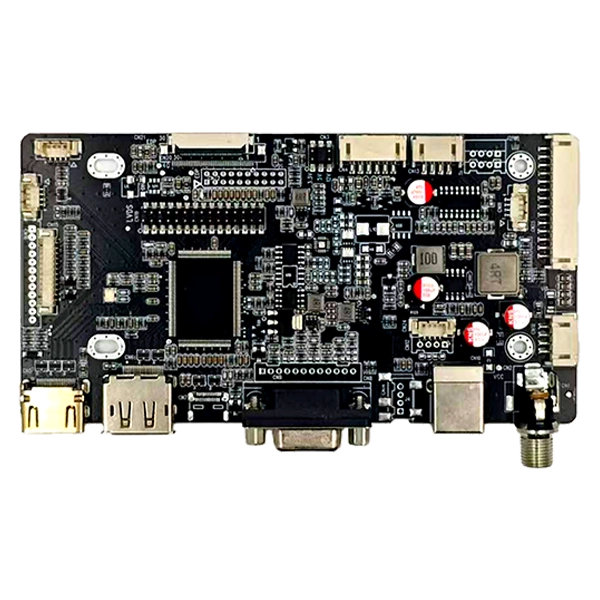
When industrial equipment needs flexible video inputs and reliable TFT LCD connectivity, the 2-HDMI to LVDS TTL Interface AD Board from SKY-TDM provides a practical controller solution. Designed for industrial display integration, it supports dual HDMI inputs, LVDS and TTL outputs, configurable firmware, and LCD panels from 7 to 32 inches, helping OEM developers simplify hardware integration and reduce development effort.
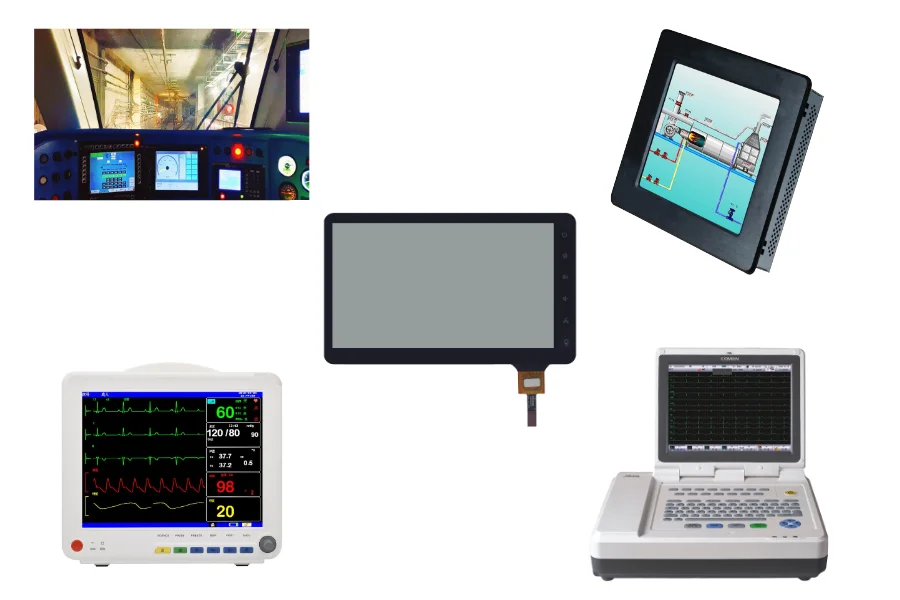
A display controller must do more than convert video signals. It needs to match the LCD interface, maintain stable image transmission, support the required panel timing, and remain dependable throughout the equipment lifecycle. The 2-HDMI to LVDS TTL Interface AD Board is designed around these practical requirements. By accepting two HDMI video sources and providing LVDS or RGB TTL output interfaces, it gives equipment designers greater flexibility when selecting industrial TFT LCD panels. Its configurable firmware can also be adapted to resolution, timing, interface definitions, backlight control, OSD settings, and other project requirements. This makes the board suitable for industrial automation, medical equipment, self-service kiosks, digital signage, transportation equipment, and embedded display systems.
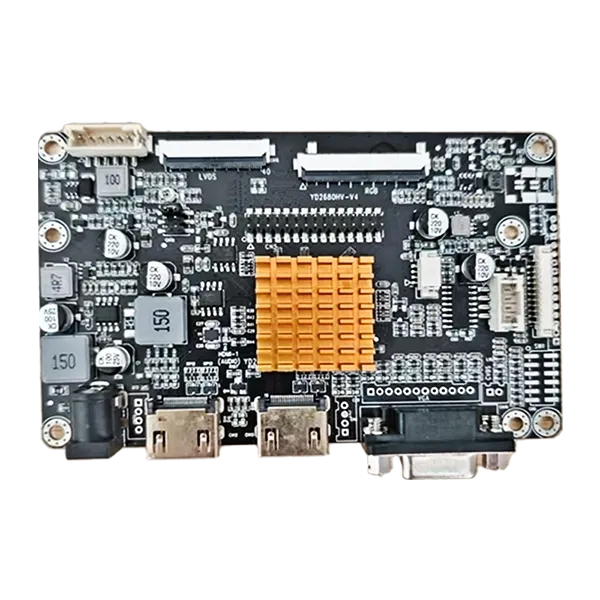
Table of Contents
- What Is a 2-HDMI to LVDS TTL Interface AD Board?
- Why Do Dual HDMI Inputs Matter in Industrial Displays?
- How Do LVDS and TTL Outputs Improve LCD Compatibility?
- What Are the Key Features to Consider?
- Where Can This Display Controller Be Used?
- How Does It Simplify OEM Display Integration?
- Technical Overview of the Controller Board
- Frequently Asked Questions
- Get a Custom Industrial Display Solution
What Is a 2-HDMI to LVDS TTL Interface AD Board?
A display AD board, commonly called an LCD controller board, acts as the connection point between a video source and an LCD panel. In industrial equipment, the video source may provide an HDMI signal while the selected TFT LCD panel may require an LVDS or TTL interface. The controller translates and processes the incoming video signal so that it can be delivered to the appropriate LCD interface.
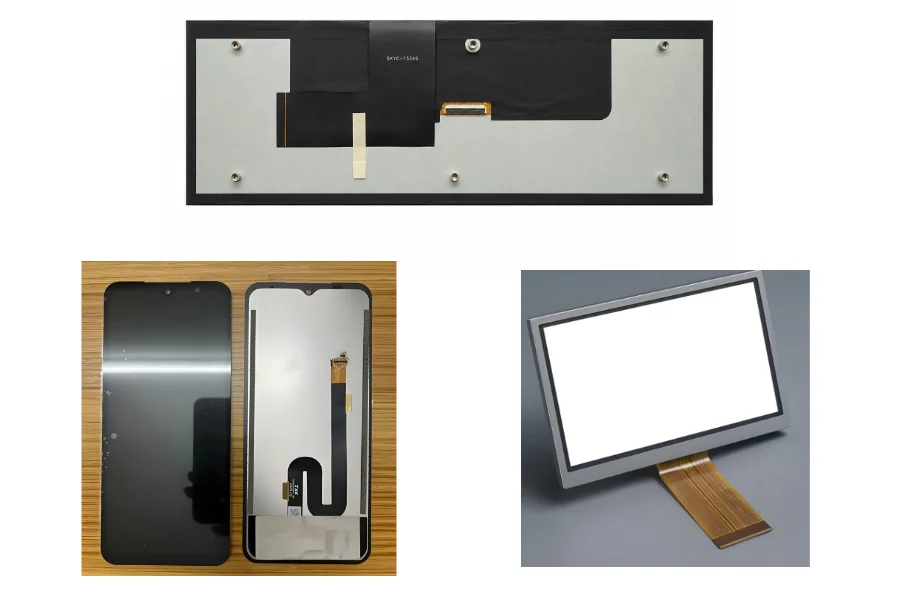
The 2-HDMI to LVDS TTL Interface AD Board is designed specifically for this type of integration. It supports two HDMI video inputs and can provide LVDS or RGB TTL output for compatible industrial TFT LCD panels. According to the product specifications, it can be configured for industrial TFT displays from approximately 7 to 32 inches, depending on the specific panel requirements.
For OEM projects, this approach can reduce the need to redesign the entire display electronics when changing panel models or equipment configurations. Instead, engineers can select a suitable controller configuration and verify the LCD's resolution, timing, interface definition, and power requirements.
Why Do Dual HDMI Inputs Matter in Industrial Displays?
Industrial systems increasingly use multiple video sources. For example, a machine may need to display information from a computer while also receiving a signal from an industrial camera, inspection system, embedded computer, or secondary processing unit.
A controller with two HDMI inputs provides a convenient way to connect two digital video sources and switch between them. This can make system architecture more flexible without requiring an additional external switching device in every application.
- Multiple video sources: Two HDMI inputs provide greater system flexibility.
- System integration: Video-source switching can be incorporated into the display architecture.
- Equipment upgrades: Existing systems can be adapted to new HDMI-based video sources.
- Design flexibility: Engineers can build display systems around different source configurations.
This feature is particularly useful for industrial HMI systems, control terminals, inspection equipment, kiosks, and other products where display-source flexibility is important.
How Do LVDS and TTL Outputs Improve LCD Compatibility?
LCD panels do not all use the same electrical interface. Two commonly encountered interfaces in industrial TFT applications are LVDS and TTL/RGB. Selecting the wrong controller interface can lead to incompatibility, unstable images, or additional hardware redesign.
Supporting both LVDS and TTL output gives system designers more options when selecting compatible LCD panels. The controller's LVDS connections include dedicated differential signal pairs, while its TTL interface provides RGB data and synchronization signals for compatible panels.
| Interface | Typical Function | Integration Value |
|---|---|---|
| LVDS | High-speed differential LCD data transmission | Suitable for many industrial TFT LCD panels |
| TTL / RGB | Parallel RGB display data and timing signals | Supports compatible TTL-interface TFT panels |
| HDMI | Digital video source input | Convenient connection to modern video equipment |
Engineers should always confirm the exact LCD model, resolution, timing parameters, voltage requirements, connector configuration, and pin mapping before production. Interface compatibility depends on the complete panel specification rather than the interface name alone.
What Are the Key Features to Consider?
Choosing an industrial LCD controller requires more than checking whether the input and output connectors physically match. Electrical specifications, firmware configuration, panel timing, backlight requirements, and long-term supply considerations can all affect project reliability.
Dual HDMI Video Inputs
Two HDMI inputs allow equipment designers to connect multiple digital video sources and select the appropriate source according to system requirements.
LVDS and TTL Output Support
Supporting both output types expands the range of compatible TFT LCD panels and can reduce hardware redesign when an OEM project uses different display configurations.
Flexible Firmware Configuration
Firmware can be customized according to LCD resolution, timing parameters, interface definitions, OSD requirements, startup logos, and other application-specific settings. This is especially valuable for OEM and ODM equipment where a standard controller configuration may not be sufficient.
Industrial-Oriented Design
The board is intended for continuous industrial applications, with design considerations focused on stable signal processing, interference reduction, component availability, and long-term operation.
Compact Integration
A dedicated controller board can simplify the internal display architecture of embedded equipment, helping engineers manage LCD connections, backlight control, signal conversion, and related display functions within a defined hardware platform.
Where Can This Display Controller Be Used?
Because the controller combines HDMI input flexibility with LVDS and TTL LCD output options, it can serve a broad range of embedded and industrial display applications.
| Application | Why the Controller Is Useful |
|---|---|
| Industrial Automation | Connects digital video sources with industrial TFT display panels |
| Medical Equipment | Supports customized display configurations for specialized equipment |
| Self-Service Kiosks | Provides flexible video input and embedded LCD integration |
| Digital Signage | Enables HDMI-based content sources to drive compatible LCD panels |
| Transportation Equipment | Supports embedded display systems requiring stable operation |
| Embedded Systems | Offers configurable interfaces for application-specific display designs |
The appropriate configuration depends on the equipment's operating environment, LCD model, video source, resolution, mechanical space, and power architecture. For this reason, engineering verification should be completed before mass production.
How Does It Simplify OEM Display Integration?
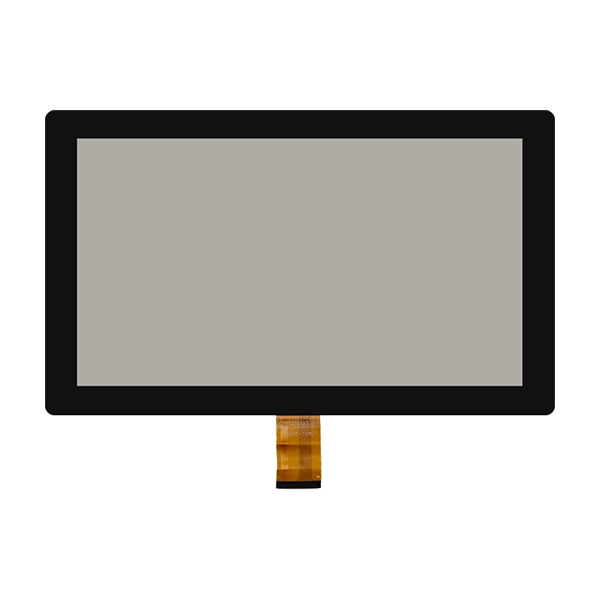
Display integration can become complicated when an OEM project requires the LCD panel, touch screen, controller, cables, firmware, backlight, and mechanical structure to work together. A controller board that can be configured around the target LCD can reduce some of these integration challenges.
SKY-TDM provides display engineering services covering LCD selection, controller configuration, touch screen customization, optical bonding, cover glass, interface cables, and related display integration requirements. Its quality management systems include ISO 9001, ISO 13485, and IATF 16949 certifications, while controller boards undergo functional testing before shipment according to the company's product information.
For OEM and ODM customers, engineering support can include:
- LCD resolution and timing configuration
- LVDS pin mapping and TTL timing adjustment
- Firmware optimization
- Backlight and brightness control
- OSD language configuration
- Startup logo customization
- Cable pin and connector configuration
- Mechanical mounting requirements
- LCD and touch panel matching
This integrated approach can be particularly valuable for projects where display compatibility and long-term component availability are important design considerations.
Technical Overview of the Controller Board
The following table summarizes important characteristics of this controller solution and explains their practical relevance during display-system development.
| Specification / Feature | Available Configuration | Engineering Benefit |
|---|---|---|
| Video Inputs | 2 × HDMI | Supports multiple digital video sources |
| LCD Outputs | LVDS and TTL / RGB | Broadens compatible LCD choices |
| LCD Size Range | Approximately 7–32 inches | Suitable for various industrial display formats |
| Firmware | Configurable | Supports project-specific display parameters |
| LVDS Connector | JST 2×15 pin | Provides differential display signal connections |
| LVDS FFC | 40-pin, 0.5 mm | Supports compatible LCD panel connections |
| TTL T-CON | 50-pin FFC | Provides RGB and timing signal connections |
| Backlight Interface | PH2.0 6-pin | Supports compatible backlight power and control |
The actual pin definitions and electrical configuration should always be checked against the target LCD datasheet. For example, the LVDS interface uses differential TX signal pairs, while the TTL interface includes RGB data, DE, VS, HS, DCLK, and related control signals. Correct pin mapping is essential for successful integration.
Frequently Asked Questions
1. What LCD panels can be connected to this controller?
The controller can be configured for a broad range of industrial TFT LCD panels using compatible LVDS or TTL interfaces. Panels in the approximate 7–32 inch range can be supported depending on the specific model and electrical requirements. Providing the LCD model number allows the engineering team to verify compatibility.
2. Can the firmware be customized for an OEM project?
Yes. Firmware customization can cover LCD resolution, timing parameters, interface definitions, OSD settings, startup logos, and other project-specific requirements.
3. Does the board support both LVDS and TTL LCD panels?
Yes. The controller is designed to provide both LVDS and RGB TTL output options, allowing it to support different compatible industrial TFT LCD configurations.
4. Can two HDMI sources be connected at the same time?
The board provides two HDMI input interfaces, allowing two compatible digital video sources to be incorporated into the display system with source selection according to the configured application.
5. Is this controller suitable for continuous industrial applications?
The product is designed for industrial applications and continuous operation, with an emphasis on stable signal processing, interference control, industrial-oriented components, and long-term supply considerations.
6. Can SKY-TDM supply a complete display assembly?
Yes. SKY-TDM can support broader display integration requirements, including industrial LCD panels, capacitive or resistive touch screens, controller boards, interface cables, optical bonding, cover glass, and related OEM/ODM engineering services.
Get a Custom Industrial Display Solution
Selecting the right LCD controller is an important step in building a stable industrial display system. With dual HDMI inputs, LVDS and TTL output compatibility, configurable firmware, and engineering support for LCD matching and integration, this controller can help OEM developers create display systems around their specific technical requirements. If you are evaluating a new industrial HMI, medical device, kiosk, transportation display, or embedded equipment project, learn more about the 2-HDMI to LVDS TTL Interface AD Board and contact us with your LCD model, resolution, interface type, quantity, and project requirements. SKY-TDM can help verify compatibility and develop a practical display solution for your application.