When negotiating projects with overseas clients, many often ask to confirm: Are you an actual touchscreen manufacturer, or just a trading company?
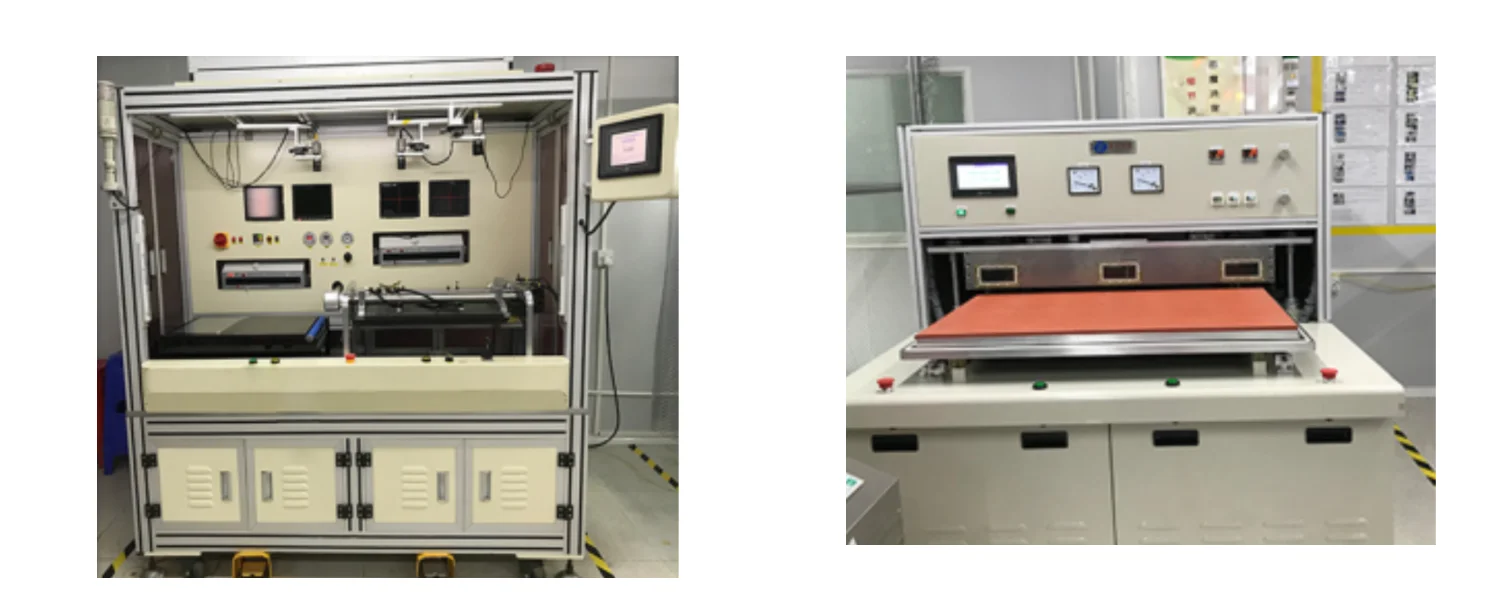
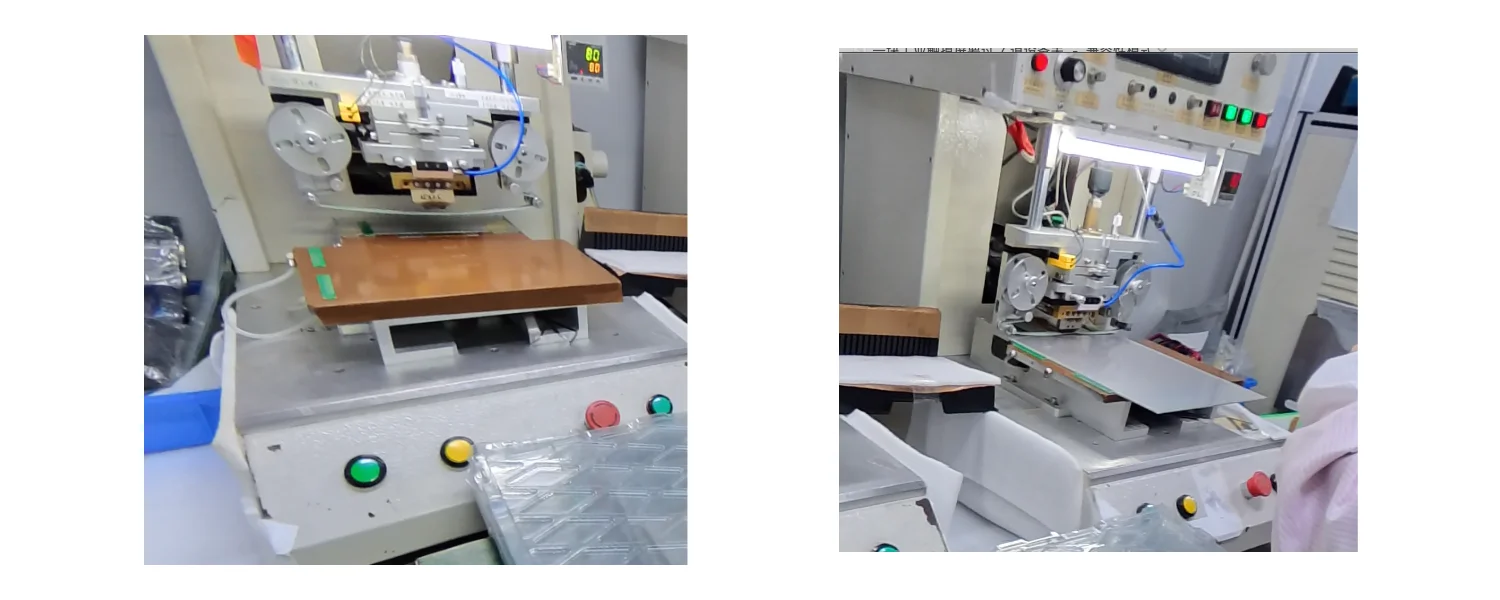
The best way to answer this is to give clients a comprehensive tour of our production line and equipment. SKY-TDM operates a 3,000-square-meter standardized industrial touchscreen facility in Shenzhen. The journey from raw materials—a piece of glass, a barrel of slurry, and a roll of OCA—to a fully assembled touchscreen involves seven critical checkpoints. Each checkpoint corresponds to a specific piece of equipment and is designed to prevent a particular type of failure.
1. Front-end Material Conditioning: Before printing and lamination, silver paste, ink, and OCA must be acclimatized under strictly controlled temperature and humidity. This step is crucial to ensure optimal performance after application. If the materials absorb moisture, the most obvious consequences are bubble formation during printing and reduced adhesion during lamination.
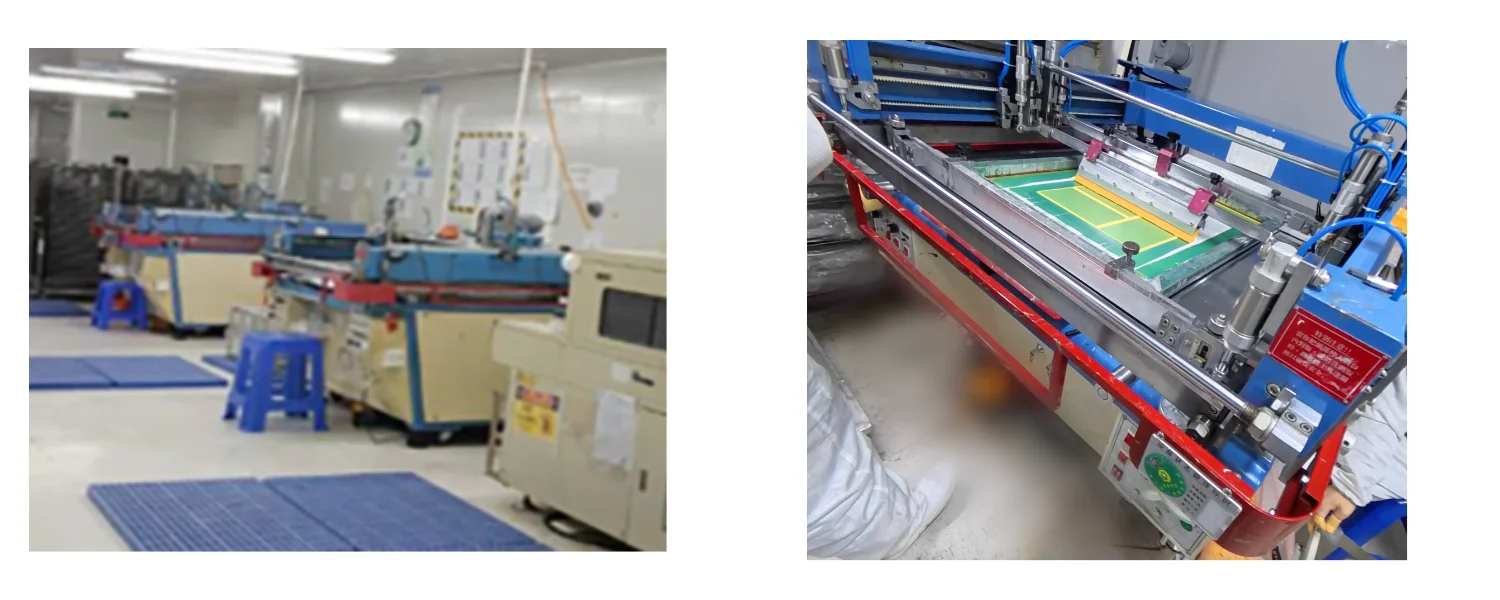
2. Printing Process Control: This stage frequently involves printing silver paste, etching circuits, and applying protective adhesives. The silk-screen stencil precisely defines the specific shapes of the printed circuits and insulation areas. If a failure occurs, the most common issues include line-width deviations, alignment shifts, touch-sensing drift, and light leakage from the markings.
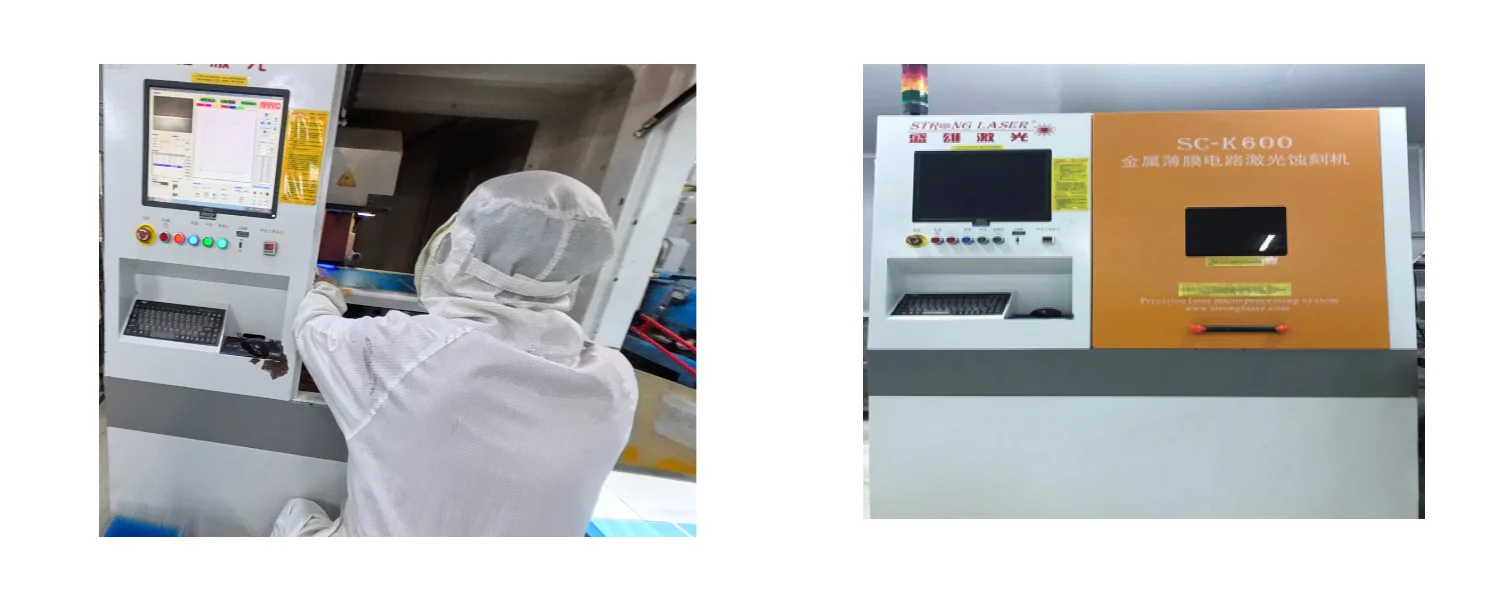
3. Laser Circuit Processing: This stage is responsible for defining the specific circuit patterns after the silver paste printing process, ensuring the integrity of every single circuit. If a failure occurs, it can lead to inconsistent circuit widths or misalignments within the same circuit trace. These defects will alter the electrical resistance of the affected circuits, ultimately resulting in abnormal touch-sensing data.
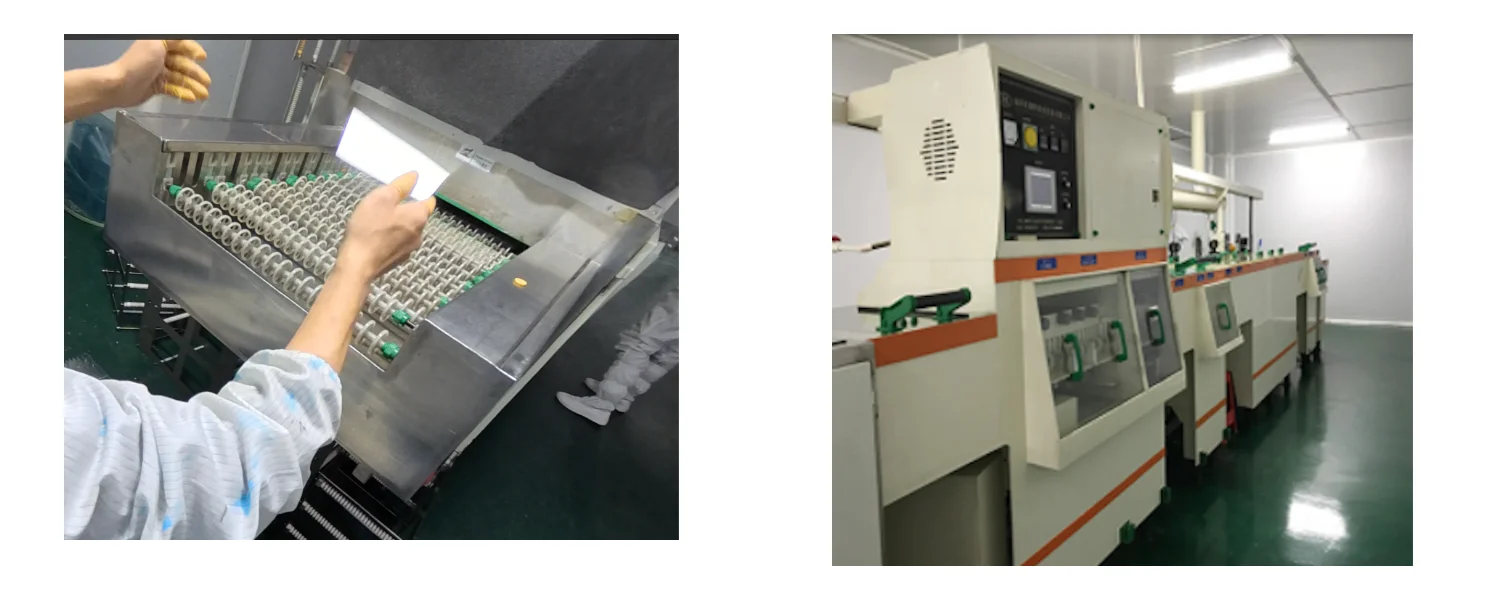
4. Cleaning Process Control: This stage is responsible for pre-printing material cleaning, including dust removal, fingerprint elimination, and anti-static treatment. It also removes the etching paste left over from the circuit etching process to ensure stable circuit resistance. If a failure occurs, it can lead to inadequate cleaning and residual contamination.
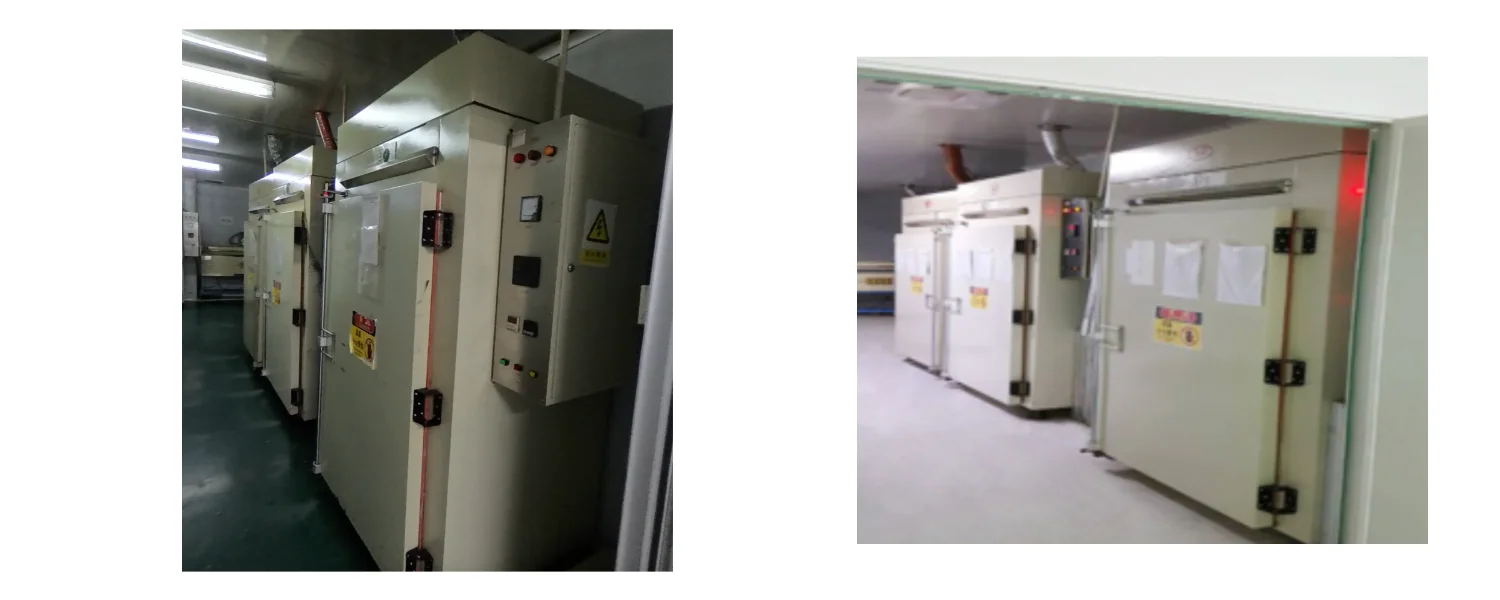
5. Baking Process Control: This stage involves baking the printed silver paste and etching paste at strictly controlled temperatures and for specific durations to ensure their strong adhesion to the product. If a failure occurs, it can lead to short circuits in the etched lines or insufficient adhesion of the silver paste.
6. Lamination Process Control: This stage is responsible for bonding the cover lens and the functional film using SCA (Solid Clear Adhesive) to form a complete touchscreen module. If a failure occurs, it can result in air bubbles, Newton's rings, and a loss of transmittance and contrast.
7. Hot-bar Bonding Process Control: This stage is responsible for connecting the FPC (Flexible Printed Circuit) to the functional film. By precisely calibrating parameters such as temperature, pressure, and dwell time, it ensures a secure and robust bond between the FPC and the film. If a failure occurs, it can lead to high contact resistance or insufficient peel strength.
While advanced equipment is fundamental to production, testing and auxiliary equipment are equally indispensable for ensuring product stability and consistency.
Why must these pieces of equipment be kept in-house?
The core technology of touchscreens must be kept in our own hands. Retaining core equipment and technologies within our factory is essential to ensure product yield, production capacity, and fast turnaround times. Our core competencies lie in the design and printing of functional films, bonding the FPC to the functional film, and laminating the cover lens to the functional film. Each of these processes is a critical link in our production chain.
7 Critical Handoffs in Touchscreen Manufacturing
Incoming material cleaning → Printing → Baking → Laser circuit processing → Hot-bar bonding → Vacuum lamination → Assembly and aging. There is a material handoff between each step, and a single loss of control at any stage can result in product scrapping. The true value of our equipment doesn't lie in how expensive it is, but in its ability to guarantee product yield at every single handoff.
If you have any requirements for industrial touchscreens, please feel free to contact SKY-TDM. We can partner with you from the very beginning of your project, providing support for touchscreen design and testing all the way through to mass production, seamlessly integrating our touch solutions into your equipment.
We use cookies to offer you a better browsing experience, analyze site traffic and personalize content. By using this site, you agree to our use of cookies. Privacy Policy